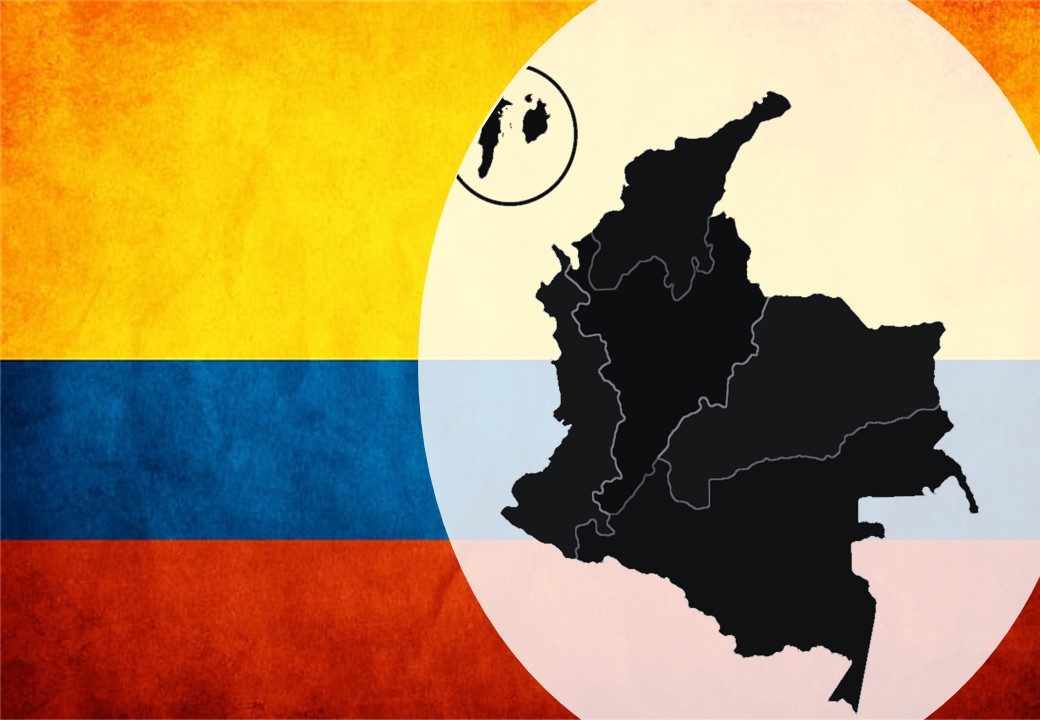
Colombia, once shrouded in shadows, has emerged as the crowning jewel of South American travel. Shedding its turbulent past, it now beckons digital nomads, budget-conscious explorers, and solo travelers with open arms. The allure? An enticingly low cost of living that invites wanderers to linger a little longer. My own adventure in this vibrant country left me captivated, and to be honest, utterly surprised. I assumed ten weeks would be enough. I was wrong. My wallet can attest to this considering I cancelled multiple flights out of this country.
Now, let’s address the elephant in the room – safety. Colombia wears its past scars, but it’s also forged a new identity. Yes, I encountered a few heart-pounding moments, but none left me unduly rattled. It’s a land that demands respect, like any adventure worth its salt.
In this guide to Colombia, I’ll uncover the insider secrets and invaluable tips that will elevate your adventure into an unforgettable odyssey. Whether you’re a thrill-seeker, a lover of history, or a beach bum, Colombia holds treasures that will leave you spellbound.
Click on the Travel Guides below for more information on each of Colombia’s glorious cities!
Table of Contents
Colombia Travel Guides
- Bogotá
- Villa de Leyva
- San Gil
- Santa Marta
- Cartagena
- San Andres Island
- Medellín
- Salento
Things to Do
Describing the abundance of activities available in Colombia is an exciting challenge due to its incredible diversity. For nature enthusiasts, the country offers a wide range of breathtaking landscapes, from the awe-inspiring Amazon rainforest to the majestic Andes mountains. The sun-drenched beaches of Tayrona National Park and the picturesque hiking trails in Jardin, boasting stunning waterfall scenery, are perfect for those seeking natural beauty.
Thrill-seekers will find their paradise in San Gil, a haven for adventure lovers, offering a wealth of outdoor activities, from heart-pumping bungee jumping to thrilling spelunking and exhilarating white water rafting. The trek to the Lost City takes you through dense jungles and ancient ruins, providing an immersive journey into Colombia’s captivating history.
Colombia’s coastal regions are an oasis for relaxation and water-based fun. Along the Caribbean coast, you’ll find alluring beaches gracing the landscapes of Cartagena and Santa Marta. Exploring the vibrant coral reefs around San Andres and Providencia islands is an absolute must for underwater enthusiasts.
In Colombia’s urban hubs like Bogotá and Medellín, cultural enthusiasts can explore the country’s heritage through attractions like Bogotá’s historic La Candelaria neighborhood and Medellín’s Plaza Botero. Meanwhile, Colombia’s nightlife scene, especially in cities like Bogotá, Medellín, and Cartagena, pulsates with energy, offering diverse options from salsa clubs to trendy bars and vibrant nightclubs.
Travel Costs
Suggested Budgets
- Low Budgeting (Approx. 80,000 COP (20 USD) per day):
- Hostel dorm accommodation
- Cooking some meals and opting for inexpensive street food
- Limited alcoholic beverages
- Engaging in free or low-cost activities
- Mid-Range Budgeting (Approx. 200,000 COP (50 USD) per day):
- Private AirBNB or hostel room
- Dining out for all meals
- Enjoying more paid activities such as paragliding, rafting, or tubing.
Accommodation
In Colombia, hostel dorm rooms typically range from 30,000 to 45,000 COP (7.5 to 11 USD) per night. For a bit more privacy, consider private hostel rooms or AirBNBs, which average between 60,000 and 100,000 COP (15 to 25 USD). Budget hotels are also available at around 100,000 COP (25 USD) per night.
Food
Colombian cuisine, a fusion of indigenous, Spanish, and Afro-Caribbean influences, primarily features staples like rice, beans, plantains, and a variety of meats. Almost every meal will also be accompanied by a delicious juice. Notably, it’s not only delicious but also budget-friendly, making it a delightful culinary experience for any traveler.
- Local eateries serve meals starting from 15,000 COP (4 USD)
- Western restaurants charge approximately 25,000 to 35,000 COP (6 to 9 USD) for a main dish.
- Vegetarian and even vegan options are available at similar prices of around 25,000 COP (6 USD).
Groceries
Shopping for groceries is incredibly affordable, averaging about 100,000 COP (25USD) per week for essential staples. Most hostels provide kitchen facilities, allowing you to prepare your own meals and further lower your food expenses.
Beverages
At bars, a beer can range from 2,000 to 10,000 COP (0.5 to 2.5 USD), while cocktails or glasses of wine are typically around 25,000 COP (6 USD).
When to Go
Colombia’s geographical location ensures relatively consistent temperatures year-round. Coastal areas range from 75-90°F, while higher elevations maintain a cooler 50-65°F.
Choosing the best time to visit largely depends on your preference for crowds and social opportunities. The peak tourist season spans from December to March, offering lively atmospheres but also larger crowds.
Personally, I visited from August to October and was pleasantly surprised by the vibrant social atmosphere. The country was abuzz with a diverse mix of travelers from across the globe, making it an ideal time for solo explorers and backpackers like myself to connect with like-minded individuals.
Travel Tips
- Local Cuisine: Save money by indulging in local dishes rather than opting for western food.
- Flights: Consider airlines like Viva Air, LATAM, and Avianca. Booking a few weeks in advance usually yields the best deals. However, if you, like me, tend to be indecisive, I found that even purchasing the flight just three days in advance still resulted in surprisingly affordable options. Additionally, airlines tend to be flexible with weight restrictions for bags.
- Ground Transportation: Utilize the redBus app for intercity travel, and don’t hesitate to seek advice from locals or hostels. Overnight buses are safe.
- Uber Strategy: Uber stands out as the optimal means of traveling within cities in Colombia. Despite being an affordable option for city navigation, it’s crucial to acknowledge that Uber operates in a legal gray area. When utilizing the service, consider sitting in the front seat and offering a tip to your driver, who takes on a certain level of risk by providing this service.
- Water Bottle: Carry a reusable water bottle with a built-in filter. While tap water is generally safe in cities, but in smaller towns and beach areas, it’s advisable to avoid it. Personally, I prefer using the LifeStraw Filter bottle for its reliable filtration capabilities.
- Basic Spanish: Even basic Spanish goes a long way. Apps like Duolingo can help bridge the language gap, as only a small percentage (3%) of the native population speaks English.
- ATM Tips: Look for a Davivienda (red ATM), which often provides a more comfortable experience. When prompted about foreign transaction fees, select ‘no’ to potentially avoid additional charges. If a Davivienda isn’t available, try clicking ‘no’ anyway, as it may work in your favor.
- Stay at VIAJERO: There are several Viajero Hostels scattered across Colombia, and they generously reward their devoted patrons who journey from city to city within their network. As a token of my loyalty, I even went so far as to get a tattoo of their logo, which entitled me to a generous 20% discount on all my expenses.
Hostel Recommendations
Here are some remarkable places I stayed and visited:
- Urban Social Experience (Bogota): This gem offered not only a fantastic host but also daily activities and a rooftop hot tub for ultimate relaxation.
- Viajero (Bogota): Great location with a spa featuring both steam rooms and saunas, providing the ultimate relaxation experience.
- Mandala Hostel Bogota (Bogota): This is a yoga-centric hostel near the airport, offering a relaxing atmosphere. Enjoy rooftop yoga sessions amidst friendly cats and savor meals at the on-site restaurant.
- Hostel Once Once (Villa de Leyva): Nestled in a family-run establishment, it boasted an ideal location for exploring the area.
- Macondo Hostel (San Gil): Tejo Tuesdays and a wide array of daily activities awaited at this vibrant hostel. The hosts were exceptional in assisting with any activity you fancied, even on the same day.
- Mr. Baboon Hostel (Santa Marta): With a prime location, daily activities, a rooftop bar, and a refreshing pool, this hostel provided an ideal base for Santa Marta explorations.
- Cacao Hostel (Santa Marta): The hosts here were incredibly helpful, and the hostel offered a pool, as well as a restaurant and bar for convenience.
- Hostal Zirumake Dentro del Parque Tayrona (Tayrona National Natural Park): Situated within the park, a bus ride is needed to reach the main trailheads. The hosts were delightful, and during their complimentary breakfast, a variety of vibrant birds provided entertaining company.
- Casa Loma (Minca): While reaching this spot might require a bit of a hike, the breathtaking sunset and helpful hosts made it more than worthwhile. It even boasts a co-working area, a restaurant, a bar, and live music in the evenings for a well-rounded experience.
- Rio Hostel (Buritaca): This hostel provided a distinctive experience, breaking away from the typical notion of hostels as merely a place to stay. Instead, it was designed to be a destination in itself. Guests could indulge in a river for swimming, three weekly parties, and daily activities like tubing.
- Viajero (Cartagena): This hostel was a vibrant social hub, hosting bar crawls, themed parties, and lively pregame events. Additionally, it featured a pool, bar, and restaurant for added enjoyment.
- Viajero (San Andres): Front desk offers excellent help with planning island activities. Enjoy the lively rooftop with music.
- Dreamer Beach Club (San Andres): Daily activities and multiple pools with fun games hosted by the friendly staff. The front desk provides a list of activities to enhance your stay.
- Viajero (Medellín): Outstanding hosts who go above and beyond for guests. Rooftop parties and daily activities for socializing and exploring the city. There’s also a co-working area, although it can get a bit lively.
- Los Patios (Medellín): Rooftop parties and daily activities for mingling and discovering the city. Great co-working spaces, including private rooms if needed. The hostel spans two buildings.
- Cafe Racer Hostel (Jardin): Enjoy a complimentary breakfast. While it’s a bit farther from the city, the welcoming hosts offer valuable recommendations and insider tips for hikes in the area.
- Viajero (Salento): Perfectly located with breathtaking mountain views. The hostel offers a serene atmosphere and features a bar/restaurant for added convenience.
Staying Safe
- Exercise Caution: While Colombia is generally safe, exercising caution is essential. Petty crimes, especially at night, can occur.
- Valuables: Conceal your valuables and avoid wandering in unfamiliar areas after dark. Don’t wear flashy jewelry or have your phone out on the streets.
- ATM Safety: When using ATMs, opt for ones with closed doors and locks. Consider using Davivenda for added security. They offer air conditioning, doors with locks, and no ATM fees.
- Backpack Security: Keep your backpack on your lap or securely fastened to your foot or chair to deter theft. Many people to choose to where the backpacks in front when traveling for added protection.
- Trust Your Instincts: In emergencies, dial 123 for assistance.
- Drinking Safety: Refrain from accepting drinks from strangers, regardless of gender. Purchase your own to maintain control. This practice is particularly important for women, as cultural norms may lead to unsolicited offers.
- Transportation Caution: Stick to Uber for transportation, especially at night. It’s been advised to avoid hailing taxis off the street, as some may not be licensed and could pose a risk. Using taxis from the airport is generally considered safe.
- Smaller Cities: Generally, places like Villa De Leyva and Salento are considered safer compared to larger cities like Bogotá and Medellín.
Latest Blog Posts
-
CARTAGENA: TRAVEL GUIDE
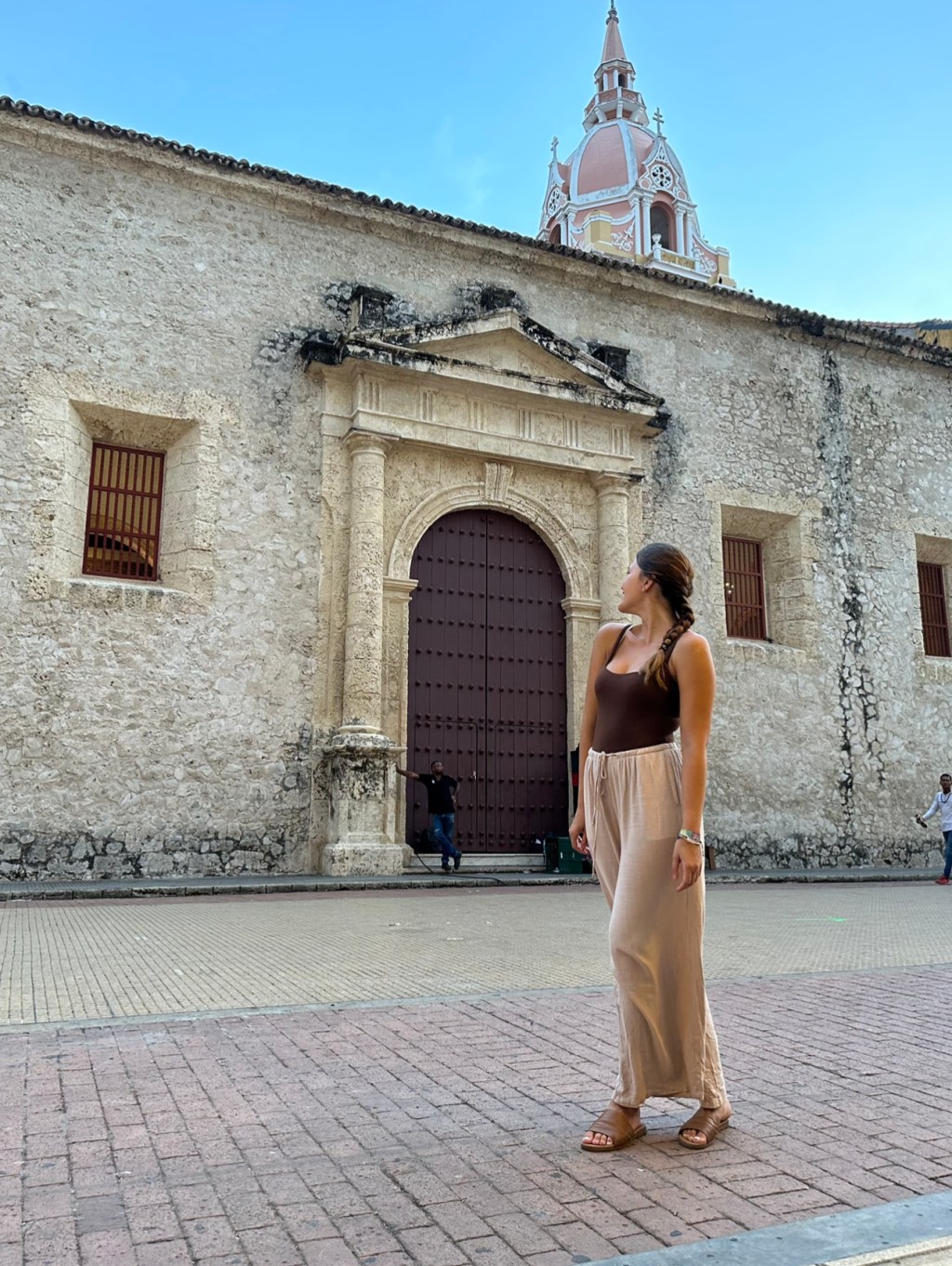
Cartagena, a colonial town on the Caribbean coast, is renowned for its vibrant energy and architectural beauty. However, visiting Cartagena isn’t solely about sightseeing; it’s about immersing yourself in its unique vibe and ambiance. You can explore most of the main attractions within a day or two. I found that spending four nights in this… Read more!
-

BOGOTÁ: TRAVEL GUIDE
After immersing myself in Bogotá for six enlightening nights, I uncovered its profound history and experienced its electrifying nightlife. From its pre-Columbian origins to the modern metropolis, it is today, Bogota’s story is one of resilience, progress, and a celebration of diversity. A lot of travelers like to compare this city to Medellin which is… Read more!
-
SAN GIL: TRAVEL GUIDE
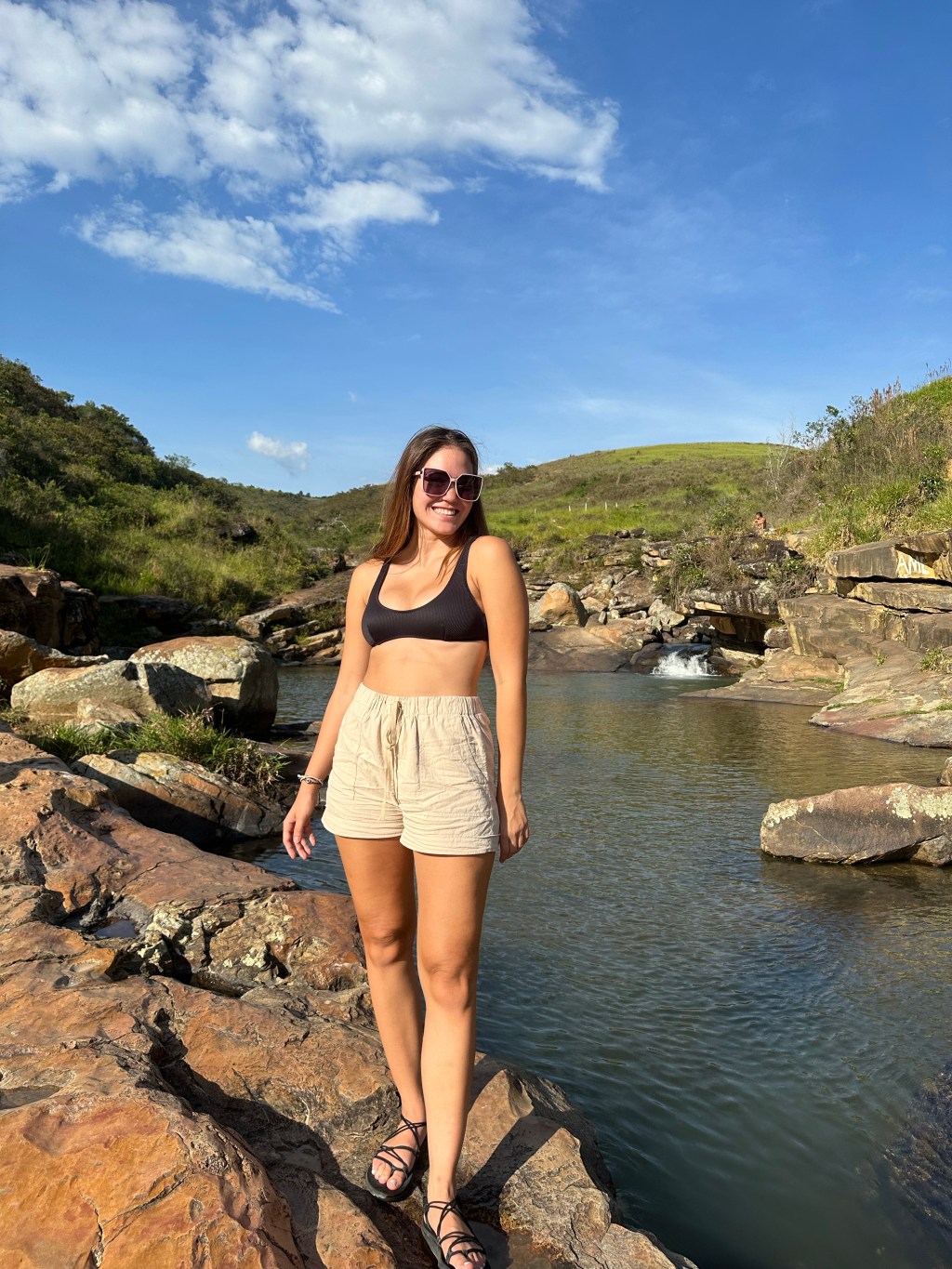
San Gil proudly wears the crown as Colombia’s adventure capital. During my week-long stay, it became apparent that the adventure options were limitless. Activities ranged from bungee jumping and cave exploring to exhilarating white water rafting. However, beyond the adrenaline rush, San Gil offers ample opportunities for relaxed travelers seeking a tranquil and unwinding experience.… Read more!
 CHANTEL GOES GLOBAL