This coastal region offers a diverse range of activities including vibrant nightlife, hiking adventures, and stunning beaches. Writing this travel itinerary proved challenging as Santa Marta itself doesn’t offer an extensive array of attractions. Instead, I used it as a strategic home base for exploring the surrounding areas. The key highlights revolve around visiting Minca, Buritaca, and Tayrona National Park. I only spent two weeks in this area with the intentions of returning as I couldn’t cover all the experiences I had planned.
Table of Contents
Things to Do
This city offers a multitude of both adventurous and relaxing activities. I personally leaned towards adrenaline-pumping experiences and nightlife during my stay. It’s worth mentioning that the majority of these activities can be conveniently booked through your hostel. Here are my top 5 things to do:
1. Trek to the Lost City
Many travelers visit Santa Marta to store their larger bags before embarking on the Ciudad Perdida (The Lost City) trek. Situated in the Sierra Nevada mountains, this journey involves a minimum of four days of trekking through the jungle before reaching the ancient Inca ruins. Numerous companies offer booking services, and several hostels have partnerships with these companies. These packages often encompass accommodations and meals as part of the deal.
- Where: Santa Marta
- Duration: 4 – 6 days
- Price: 1,150,000 COP (300 USD)
2. Hiking in Tyrona National Park
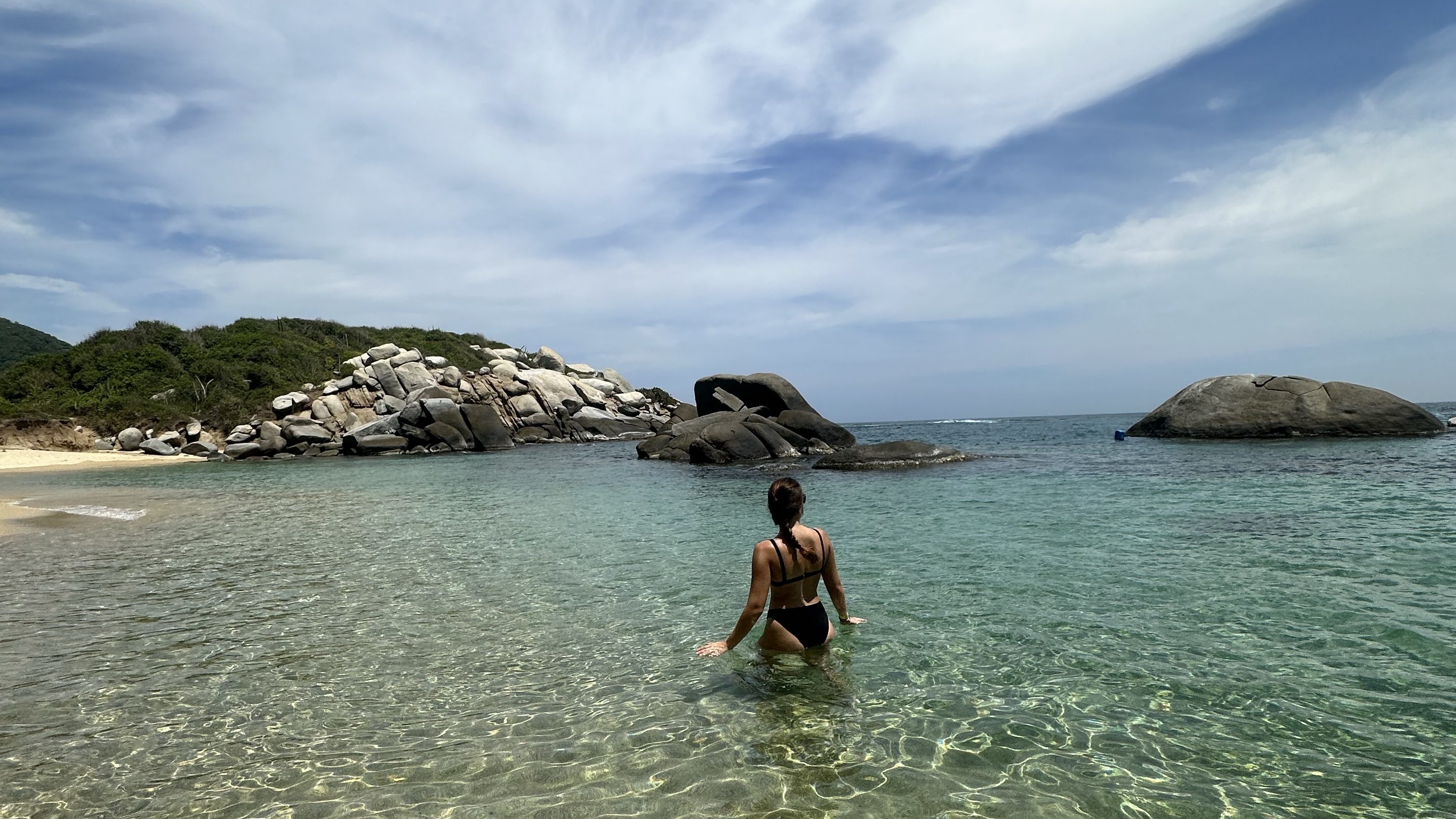
The park offers an array of activities, including snorkeling coral reefs and jungle camping, offering glimpses of diverse wildlife. While day trips are an option to explore the stunning beaches, I highly recommend an overnight stay for a more immersive experience. I opted for a room, but many prefer the allure of beachside tents or hammocks at Cabo San Juan.
For entry, I suggest using the main entrance at El Zaino, which opens at 7 am. Cabo San Juan stands out as the park’s most renowned spot, accessible after a scenic 2-hour hike or by a horseback ride priced at 35,000 COP. Additionally, Playa Brava, La Piscina, and Playa Nudista are equally spectacular locations, known for their tranquility and fewer crowds.
Remember to bring cash as credit cards are not accepted in this area, and once you enter, there’s virtually no cellular service available. Packing a VERY light backpack is crucial for a more comfortable trek through the trails and beaches of Tayrona National Park.
- Where: Tyrona National Park
- Duration: 1 – 3 days
- Price: 100,000 COP (entrance fee)
3. Visit Minca
Minca offers spectacular views of the mountains and seas especially at sunset and sunrise. Situated in Sierra Nevada, it’s a charming small city just a 45-minute bus ride from Santa Marta. The area offers an abundance of scenic hiking trails, including paths leading to several impressive waterfalls such as Pozo Azul, Marinka Waterfalls, Cascada Escondida, and Oida Del Mundo.
For an unparalleled sunrise experience, Cerro Kennedy stands out as the prime spot. Travelers often opt to reach this vantage point via a thrilling motorcycle ride. A suggested plan involves staying at Hotel El Ramo and departing at 4 am to arrive at Cerro Kennedy in time for the breathtaking sunrise spectacle.
There are also many day tours available, but I would recommend spending at least one night in Minca to enjoy as many sunrises and sunsets as possible.
There are no ATMs in this area so make sure to pull out cash before travelling to Minca!
4. Party at Rio Hostel Buritaca
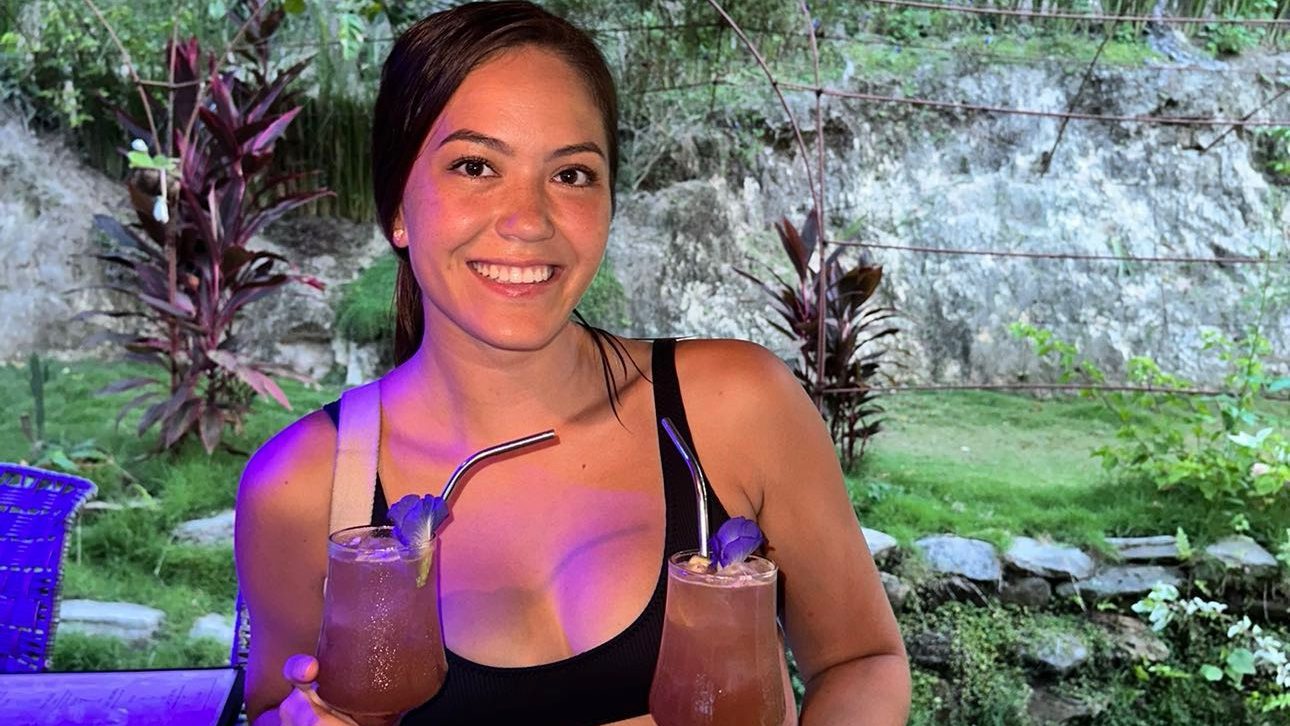
Rio Hostel Buritaca stands out as a unique hostel destination, situated in an area not typically frequented by travelers. People specifically journey to Buritaca solely for this hostel’s distinct ambiance. The hostel hosts parties three times a week—on Tuesday, Thursday, and the highlight being Sunday—this hostel’s Sunday party is the weekly pinnacle. These vibrant celebrations often extend until 8 am, so be prepared for potential sleep deprivation. The hostel offers many weekly activities and excellent amenities tailored for solo travelers seeking interaction. Additionally, there’s a nearby river providing a beach-like atmosphere for guests to relish during their stay. Make sure to book at least one week in advance!
- Where: Buritaca
- Duration: 4 – 8 hours for the party
- Price: 50,000 COP (12.5 USD) for the party if you do not stay at the hostel
5. Go Tubing
Tubing is a popular activity primarily offered in Sierra Nevada, specifically in locations like Palomino and Buritaca, allowing you to relish stunning mountain landscapes and encounter wildlife. Besides enjoying the scenic views, this experience frequently involves a relaxed atmosphere where participants can indulge in drinks while floating along the river. I would recommend tubing in Buritaca with the Rio Hostel Buritica. This tubing adventure is highly favored by many visitors due to its convenience, eliminating the necessity for an extra trip to Palomino.
- Where: Buritaca
- Duration: 3 hours
- Price: 40,000 COP (10 USD)
More Things to Do
Diving in Taganga
Taganga is a quaint fishing village nestled between Santa Marta and Tayrona National Park. While the beaches here boast beauty, they can get quite crowded. This area is dotted with numerous diving centers catering to tourists eager to obtain licenses and explore the mesmerizing underwater world. Although I opted to dive on San Andres Island upon recommendations, Taganga stands as a close second-best diving spot in Colombia if you’re not planning to take a flight to San Andres Island.
Explore the La Guajira Desert
The La Guajira Desert is an often overlooked destination among tourists due to its underdeveloped nature as a vacation spot. This remote area where the desert meets the sea is a haven devoid of light pollution, offering stargazers an unparalleled celestial spectacle. Despite its secluded ambiance, various agencies, such as those in Riohacha, offer tours to this captivating destination.
Travel Costs
Suggested Budgets
- Low Budgeting (Approx. 130,000 COP (32.5 USD) per day):
- Hostel dorm accommodation
- Cooking some meals and opting for inexpensive street food
- Limited alcoholic beverages
- Engaging in free or low-cost activities
- Mid-Range Budgeting (Approx. 200,000 COP (50 USD) per day):
- Private AirBNB or hostel room
- Dining out for all meals
- Enjoying more paid activities such as paragliding, rafting, or tubing.
Accommodation
In the Northern part of Colombia, hostel dorm rooms typically range from 40,000 to 80,000 COP (10 to 20 USD) per night. While a private room or AirBNBs averages between 60,000 and 100,000 COP (15 to 25 USD).
Food
Colombian cuisine, a fusion of indigenous, Spanish, and Afro-Caribbean influences, primarily features staples like rice, beans, plantains, and a variety of meats. Almost every meal will also be accompanied by a delicious juice. Notably, it’s not only delicious but also budget-friendly, making it a delightful culinary experience for any traveler.
- Local eateries serve meals starting from 12,500 COP (3 USD).
- Western restaurants charge approximately 30,000 COP (7.5 USD) for a main dish.
- Vegetarian and even vegan options are available at similar prices of around 25,000 COP (6 USD).
Groceries
Shopping for groceries is incredibly affordable, averaging about 80,000 COP per week for essential staples. Most hostels provide kitchen facilities, allowing you to prepare your own meals and further lower your food expenses.
Beverages
At bars, a beer can range from 10,000 to 15,000 COP (2.5 to 4 USD), while cocktails or glasses of wine are typically around 30,000 COP (7.5 USD).
When to Go
Santa Marta, located on Colombia’s Caribbean coast, boasts a consistently pleasant climate owing to its coastal position. Temperatures average around 80°F, providing an inviting and warm atmosphere year-round. The city’s Carnival, celebrated in February, represents a pinnacle of vibrant energy and cultural immersion, showcasing colorful parades, lively music, exuberant dancing, and elaborate costumes. This festive period brings locals and visitors together, creating an electrifying atmosphere, albeit with larger crowds. If seeking a more tranquil visit, consider the months outside the Carnival period, such as October to November or April to May, for a more relaxed experience with fewer tourists.
Travel Tips
- Local Cuisine: Save money by indulging in local dishes rather than opting for western food.
- Flights: Consider airlines like Viva Air, LATAM, and Avianca. Booking a few weeks in advance usually yields the best deals. However, if you, like me, tend to be indecisive, I found that even purchasing the flight just three days in advance still resulted in surprisingly affordable options. Additionally, airlines tend to be flexible with weight restrictions for bags.
- Ground Transportation: Utilize the redBus app for intercity travel, and don’t hesitate to seek advice from locals or hostels. Overnight buses are safe.
- Uber Strategy: Uber stands out as the optimal means of traveling within cities in Colombia. Despite being an affordable option for city navigation, it’s crucial to acknowledge that Uber operates in a legal gray area. When utilizing the service, consider sitting in the front seat and offering a tip to your driver, who takes on a certain level of risk by providing this service.
- Water Bottle: Unless you’re explicitly informed that the water is safe, assume it’s not potable. Carry a reusable water bottle with a built-in filter. While tap water is generally safe in cities, but in smaller towns and beach areas, it’s advisable to avoid it. Personally, I prefer using the LifeStraw Filter bottle for its reliable filtration capabilities.
- Basic Spanish: Even basic Spanish goes a long way. Apps like Duolingo can help bridge the language gap, as only a small percentage (3%) of the native population speaks English.
- ATM Tips: Look for a Davivienda (red ATM), which often provides a more comfortable experience. When prompted about foreign transaction fees, select ‘no’ to potentially avoid additional charges. If a Davivienda isn’t available, try clicking ‘no’ anyway, as it may work in your favor.
- Pack Light: When venturing into the surrounding areas, traveling light is paramount. I left my main bag in Santa Marta when travelling to the nearby areas. Most hostels in this region (excluding Santa Marta) involve a 10-minute hike. Even with my small backpack, I found myself huffing and puffing.
- Apply Mosquito Repellant OFTEN: Mosquitoes are abundant here! You can easily spot visitors that have recently been to the northern part of Colombia by the number of mosquito bites on their legs. Learn from my experience: I made the mistake of not protecting myself, and now, three months later, I’m still dealing with the scars from those mosquito bites.
How to Get to San Gil
Opt for redBus to facilitate your intercity travels. For more distant cities, consider using airlines like Viva Air, LATAM, and Avianca. Here’s the estimated travel time for each destination:
- Bucaramanga: 9 hours by bus or 1.5 hours by plane
- San Gil: 12 hours by bus
- Villa de Leyva: 13 hours by bus
- Bogotá: 15 hours by bus or 1.5 hours by plane
- Cali: 20 hours by bus or 1.5 hour by plane
- Cartagena: 4 hours by bus or 1 hour by plane
- Medellín: 12 hours by bus or 1.5 hours by plane
- Neiva: 16 hours by bus or 1.5 hours by plane
- Pereira: 16 hours by bus or 1.5 hours by plane
- Popayan: 21 hours by bus or 1.5 hours by plane
Hostel Recommendations
Mr. Baboon Hostel (Santa Marta): With a prime location, daily activities, a rooftop bar, and a refreshing pool, this hostel provided an ideal base for Santa Marta explorations.
Cacao Hostel (Santa Marta): The hosts here were incredibly helpful, and the hostel offered a pool, as well as a restaurant and bar for convenience.
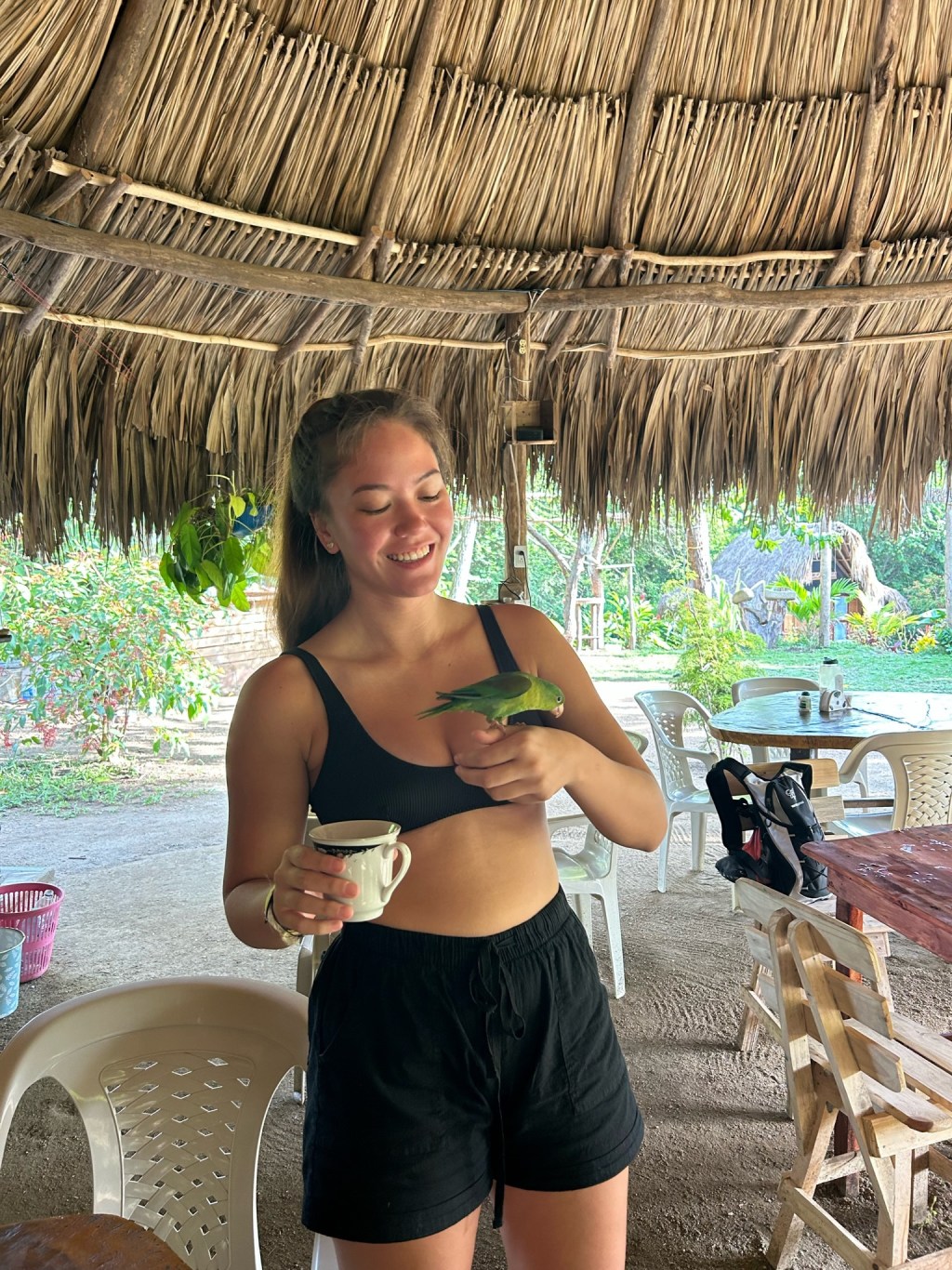
Hostal Zirumake Dentro del Parque Tayrona (Tayrona National Natural Park): Situated within the park, a bus ride is needed to reach the main trailheads. The hosts were delightful, and during their complimentary breakfast, a variety of vibrant birds provided entertaining company.
Casa Loma (Minca): While reaching this spot might require a bit of a hike, the breathtaking sunset and helpful hosts made it more than worthwhile. It even boasts a co-working area, a restaurant, a bar, and live music in the evenings for a well-rounded experience.
Rio Hostel (Buritaca): This hostel provided a distinctive experience, breaking away from the typical notion of hostels as merely a place to stay. Instead, it was designed to be a destination in itself. Guests could indulge in a river for swimming, three weekly parties, and daily activities like tubing.
Staying Safe
- Exercise Caution: While Colombia is generally safe, exercising caution is essential. Petty crimes, especially at night, can occur.
- Valuables: Conceal your valuables and avoid wandering in unfamiliar areas after dark. Don’t wear flashy jewelry or have your phone out on the streets.
- ATM Safety: When using ATMs, opt for ones with closed doors and locks. Consider using Davivenda for added security. They offer air conditioning, doors with locks, and no ATM fees.
- Backpack Security: Keep your backpack on your lap or securely fastened to your foot or chair to deter theft. Many people to choose to where the backpacks in front when traveling for added protection.
- Trust Your Instincts: In emergencies, dial 123 for assistance.
- Drinking Safety: Refrain from accepting drinks from strangers, regardless of gender. Purchase your own to maintain control. This practice is particularly important for women, as cultural norms may lead to unsolicited offers.
- Transportation Caution: Stick to Uber for transportation, especially at night. It’s been advised to avoid hailing taxis off the street, as some may not be licensed and could pose a risk. Using taxis from the airport is generally considered safe.



Leave a Reply