
After immersing myself in Bogotá for six enlightening nights, I uncovered its profound history and experienced its electrifying nightlife. From its pre-Columbian origins to the modern metropolis, it is today, Bogota’s story is one of resilience, progress, and a celebration of diversity.
A lot of travelers like to compare this city to Medellin which is why it is generally overlooked. Give the city the opportunity it deserves and spend a few extra days exploring and be captivated by its treasures.
Table of Contents
Things to Do
There are many things to see and do in this city. I prioritized the history and night life when entering the city. Here are my top 5 things to do:
1. Learn OR Party at Gringo Tuesday
Colombians are incredibly nice and love to meet foreigners to try and improve their language of interest. Most hostels will organize a group outing to the location which will also give you the opportunity to meet other foreign travelers. The event starts around 4pm with designated tables for people to speak a certain language. The party actually starts around 10pm.
- Where: Gringo Tuesday (Zona Rosa)
- Duration: 3-6 hours (depending on if you plan to stay for the party or not)
- Price: Free
2. Look at the View from Monserrate
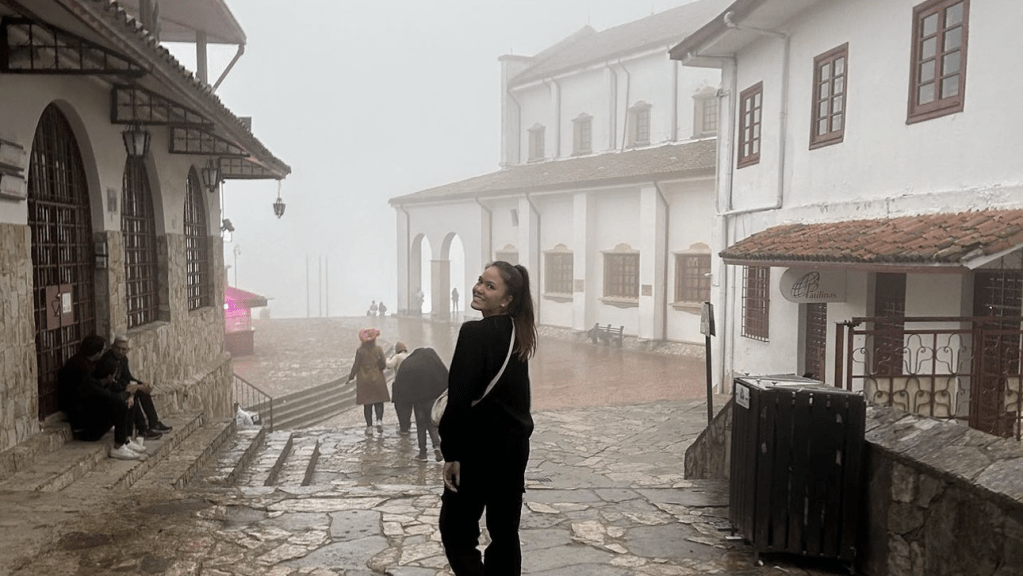
The weather in Bogotá is notoriously unpredictable, making it challenging to pinpoint the best day to visit. Unfortunately, I selected a cloudy day to explore the Monserrate Church and essentially found myself walking inside a cloud. Despite the weather, the view is said to be breathtaking. You can reach this mountaintop church either by a scenic hike or a cable car ride.
- Where: The steps begin from the Cable Car station (on your left) | La Candelaria
- Duration: Choose between a 1-hour hike or a 5-minute cable car ride
- Price: Free for the hike or around 10000 COP (2.5 USD) for the cable car
3. Party at Theatron
Theatron is a well-known LGBTQ+ nightclub and entertainment complex and is considered one of the largest gay clubs in Latin America. The complex has 13 different dance floors with different musical styles and atmospheres, including one exclusively for women.
- Where: Theatron
- Duration: 3-6 hours (the energy tends to wind down around 6 am)
- Price: Entry fee of 50,000 COP (12.5 USD)
4. Enjoy the Free Walking Tour
BeyondColombia offers an excellent free walking tour, providing a solid introduction to the city. The tour operates on a donation basis, and the funds are reinvested in upcoming community art projects. The tour is available every day at 10 am and 2 pm.
- Where: Departure point at the Gold Museum
- Duration: 3 hours
- Price: Free, but remember to tip!
5. Visit Museo de Oro (Gold Museum)
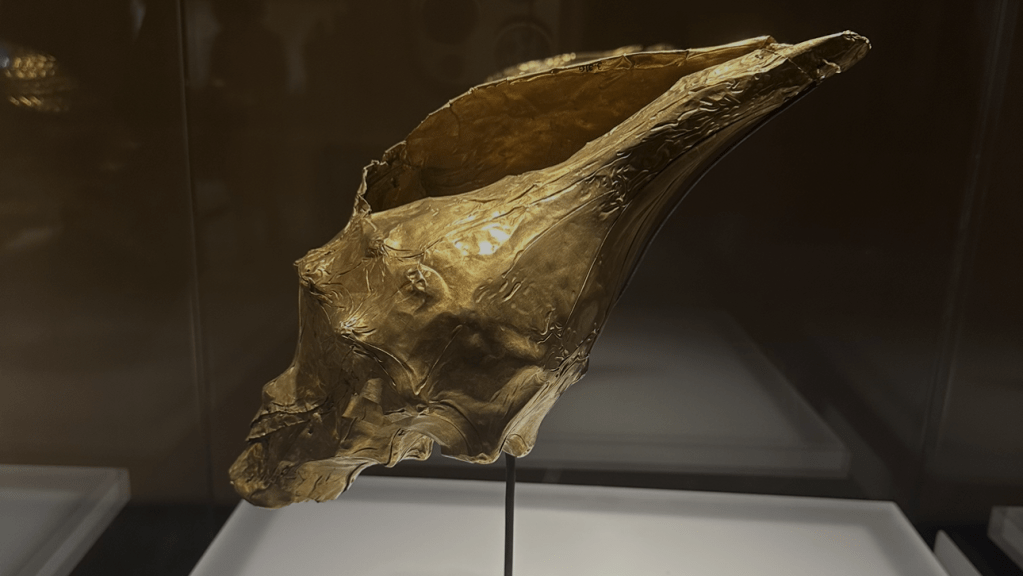
This globally acclaimed institution unveils an exceptional collection of intricate gold artifacts, providing insights into the craftsmanship and cultural significance of these ancient treasures. Significantly, some of these artifacts were discovered in Lake Guatavita, adding a fascinating connection to the legendary myth of El Dorado. Please be aware that the museum is closed on Mondays, and admission is free on Sundays. Note: the museum is closed on Mondays, and admission is free on Sundays.
- Where: Museo del Oro | La Candelaria
- Duration: 1 – 2 hours
- Price: 4,000 COP (1 USD)
More Things to Do
Enjoy a Food Tour
There are several food tours in Bogotá that guide you through local markets, providing insights into traditional cuisine and showcasing a variety of native fruits. These three-hour tours navigate you through several markets, offering insights into local fruits and traditional cuisine. Register online or simply drop in to experience the vibrant flavors.
Hike to the La Chorrera Waterfall
Standing as the tallest waterfall in Colombia, this natural marvel is situated just an hour outside of Bogotá. The site includes captivating caves and a stunning lookout point. If you prefer independent exploration, the cost is approximately 50,000 COP (12.5 USD). Alternatively, guided tours start at 250,000 COP (62 USD). Due to time constraints, I opted to skip this excursion, planning instead to explore the incredible waterfalls concentrated in the Jardín area.
Visit Cetedral de Sal
Located in the town of Zipaquirá just outside of Bogotá, the Cathedral of Salt is a remarkable Catholic structure crafted within the tunnels of an ancient salt mine. Descending 200 meters below ground, the cathedral stands as a testament to the ingenuity of the miners who built it. Additionally, the cathedral is renowned for its stunning underground architecture and religious significance, making it a captivating destination for visitors.
Wander the Botanical Gardens
Colombia boasts several botanical gardens, each with its unique charm. The Botanical Garden of Bogotá, home to an impressive collection of nearly 20,000 plants, specifically highlights regional flora, with a focus on species endemic to the Andes and other high alpine areas of the continent.
Visit National Museum of Colombia
Established in 1823, this museum proudly holds the titles of Colombia’s oldest and largest museum, making it a venerable institution among the continent’s early cultural hubs. Originally a prison, the building underwent a significant transformation in 1946, evolving into a treasure trove of history and art. Boasting a collection of over 20,000 pieces, including artifacts dating back to 10,000 BCE, the museum provides a captivating journey through Colombia’s rich past. Whether you’re a history enthusiast or simply curious about the country’s cultural tapestry, a visit to this museum is highly recommended. Admission is 4,000 COP (1 USD), with free entry available on Wednesdays from 3 pm to 5 pm and on Sundays.
Visit Botero Museum
Renowned as Colombia’s most celebrated artist, Fernando Botero’s influence permeates the entire nation through his iconic works. The epicenter of his artistic legacy lies in the Bogotá Botero Museum, home to the largest collection of his masterpieces (123 pieces). What makes this cultural gem even more extraordinary is Botero’s stipulation that the public should enjoy unrestricted access to his creations without an entry fee. Immerse yourself in the vibrant world of Botero’s art, a testament to the artist’s generosity and commitment to making art accessible to all.
Enjoy a Graffiti Tour
Discover the dynamic street art of Graffiti Bogotá by taking a leisurely walk through the artistic neighborhoods of La Candelaria and Las Aguas. Alternatively, you can immerse yourself in the city’s vibrant street art culture with guided tours.
Hike Laguna de Guatavita (Lake Guatavita)
Nestled approximately an hour from Bogotá, Lake Guatavita is a site of sacred importance for the region’s indigenous communities, steeped in the mystique that sparked the legendary tales of El Dorado. Climb the 150 steps to the crater’s summit for awe-inspiring views, gazing down upon the lake believed to conceal the mythical gold of El Dorado. In a historical twist, the Spanish attempted to drain the lake in their pursuit of this rumored treasure. While they didn’t uncover immense treasures, they did stumble upon hundreds of pieces of gold along the lake’s edge, adding a captivating layer to the narrative. To enhance your experience, unwind at the hot springs in the nearby town of Sesquilé, adding a touch of relaxation to your adventure.
Travel Costs
Suggested Budgets
- Low Budgeting (Approx. 130,000 COP (32 USD) per day):
- Hostel dorm accommodation
- Cooking some meals and opting for inexpensive street food
- Limited alcoholic beverages
- Engaging in free or low-cost activities
- Mid-Range Budgeting (Approx. 250,000 COP (62 USD) per day):
- Private AirBNB or hostel room
- Dining out for all meals
- Enjoying more paid activities such as paragliding, rafting, or tubing.
Accommodation
In Bogotá, hostel dorm rooms typically range from 20,000 to 35,000 COP (5 to 9 USD) per night. While a private room or AirBNBs average around 80,000 COP (17.5 USD). Budget hotels are also available at around 100,000 COP (25 USD) per night.
Food
Colombian cuisine, a fusion of indigenous, Spanish, and Afro-Caribbean influences, primarily features staples like rice, beans, plantains, and a variety of meats. Almost every meal will also be accompanied by a delicious juice. Notably, it’s not only delicious but also budget-friendly, making it a delightful culinary experience for any traveler.
- Local eateries serve meals starting from 15,000 COP (4 USD).
- Western restaurants charge approximately 40,000 COP (10 USD)for a main dish.
- Vegetarian and even vegan options are available at similar prices of around 35,000 COP (9 USD).
Groceries
Shopping for groceries is incredibly affordable, averaging about 100,000 COP (25 USD) per week for essential staples. Most hostels provide kitchen facilities, allowing you to prepare your own meals and further lower your food expenses.
Beverages
At bars, a beer can range from 10,000 to 15,000 COP (2.5 to 4 USD), while cocktails or glasses of wine are typically around 30,000 COP (7.5 USD).
When to Go
Bogotá is situated in a mountainous region, contributing to its somewhat unpredictable weather. Due to the altitude, it often tends to be chilly, with frequent rainfall. The drier months extend from December to March, offering a preferable time for those looking to avoid rain, with temperatures hovering around 57°F. Alternatively, if you favor warmth, the peak is from May to June, averaging temperatures around 68°F.
Choosing the best time to visit largely depends on your preference for crowds and social opportunities. The peak tourist season spans from July and August, during Bogotá Carnival.
Travel Tips
- Local Cuisine: Save money by indulging in local dishes rather than opting for western food.
- Flights: Consider airlines like Viva Air, LATAM, and Avianca. Booking a few weeks in advance usually yields the best deals. However, if you, like me, tend to be indecisive, I found that even purchasing the flight just three days in advance still resulted in surprisingly affordable options. Additionally, airlines tend to be flexible with weight restrictions for bags.
- Ground Transportation: Utilize the RedBus app for intercity travel, and don’t hesitate to seek advice from locals or hostels.
- Uber Strategy: Opting for Uber is the most convenient mode of transportation within Bogotá. However, it’s essential to note that Uber operates in a legal gray area. When using the service, consider sitting in the front seat and offering a tip to your driver, who takes a risk by providing this transportation option.
- Basic Spanish: Even basic Spanish goes a long way. Apps like Duolingo can help bridge the language gap, as only a small percentage (3%) of the native population speaks English.
- ATM Tips: Look for a Davivienda (red ATM), which often provides a more comfortable experience. When prompted about foreign transaction fees, select ‘no’ to potentially avoid additional charges. If a Davivienda isn’t available, try clicking ‘no’ anyway, as it may work in your favor.
How to get to Bogotá
Opt for redBus to facilitate your intercity travels. For more distant cities, consider using airlines like Viva Air, LATAM, and Avianca. Here’s the estimated travel time for each destination:
- Villa de Leyva: 4 hours by bus
- Cali: 11 hours by bus or 1 hour by plane
- Cartagena: 23 hours by bus or 1.5 hours by plane
- Medellín: 10 hours by bus or 1 hour by plane
- Neiva: 6 hours by bus or 1 hour by plane
- Pereira: 11 hours by bus or 1 hour by plane
- Popayan: 12 hours by bus or 1.5 hours by plane
- Santa Marta: 20 hours by bus or 1.5 hours by plane
Hostel Recommendations
- Urban Social Experience: This gem offered not only a fantastic host but also daily activities and a rooftop hot tub for ultimate relaxation.
- Viajero: Great location with a spa featuring both steam rooms and saunas, providing the ultimate relaxation experience.
- Mandala Hostel Bogota: This is a yoga-centric hostel near the airport, offering a relaxing atmosphere. Enjoy rooftop yoga sessions amidst friendly cats and savor meals at the on-site restaurant.
Staying Safe
- Exercise Caution: While Colombia is generally safe, exercising caution is essential. Petty crimes, especially at night, can occur.
- Valuables: Conceal your valuables and avoid wandering in unfamiliar areas after dark. Don’t wear flashy jewelry or have your phone out on the streets.
- ATM Safety: When using ATMs, opt for ones with closed doors and locks. Consider using Davivenda for added security. They offer air conditioning, doors with locks, and no ATM fees.
- Backpack Security: Keep your backpack on your lap or securely fastened to your foot or chair to deter theft. Many people to choose to where the backpacks in front when traveling for added protection.
- Trust Your Instincts: In emergencies, dial 123 for assistance.
- Drinking Safety: Refrain from accepting drinks from strangers, regardless of gender. Purchase your own to maintain control. This practice is particularly important for women, as cultural norms may lead to unsolicited offers.
- Transportation Caution: Stick to Uber for transportation, especially at night. It’s been advised to avoid hailing taxis off the street, as some may not be licensed and could pose a risk. Using taxis from the airport is generally considered safe.
 CHANTEL GOES GLOBAL
Leave a comment